01
At 21, Devon was homeless and living in his car. A decade later, his career had taken him through Deloitte, Google Cloud, complex technology transactions, entrepreneurship, financial independence, and ultimately the finance classroom.
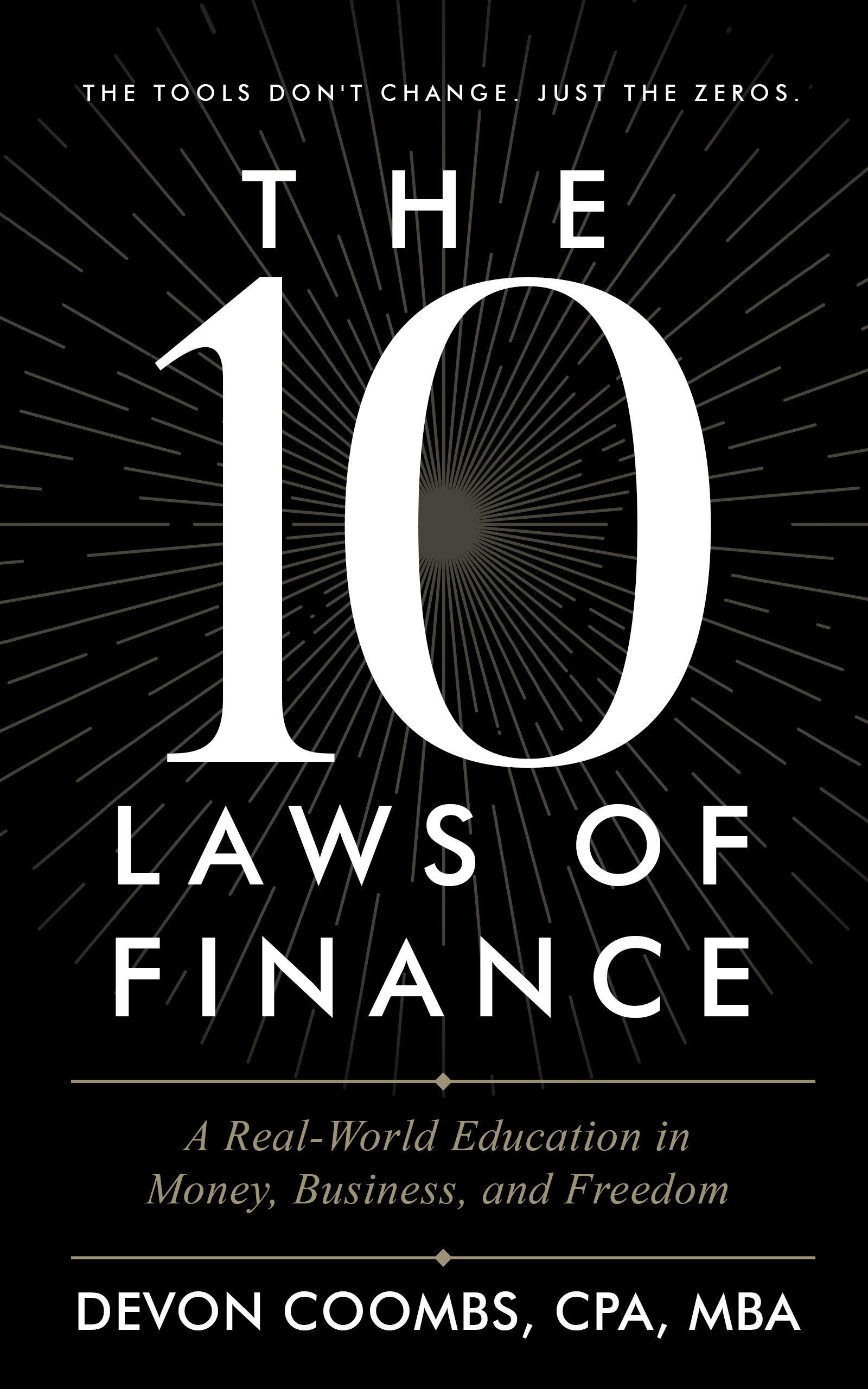
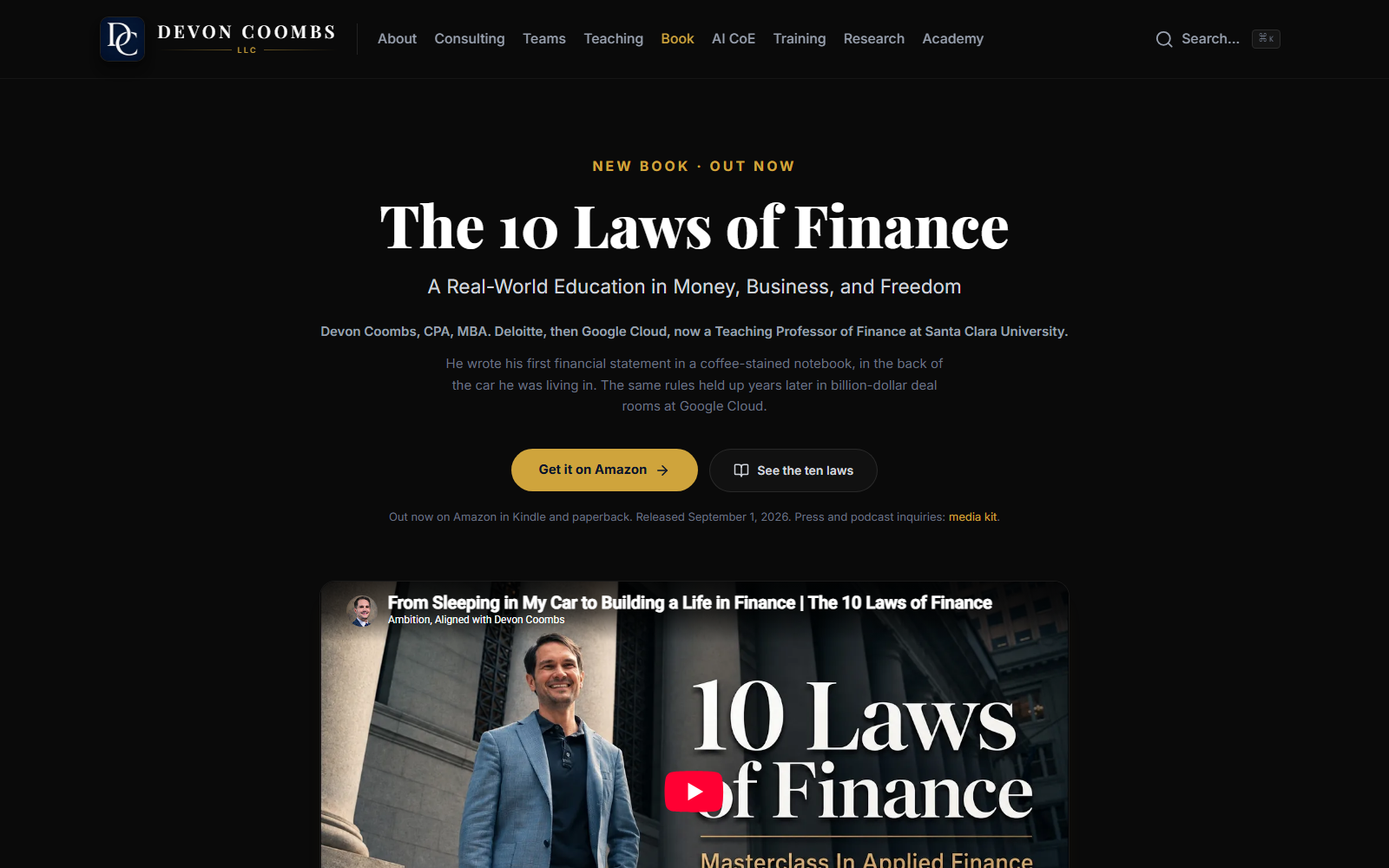
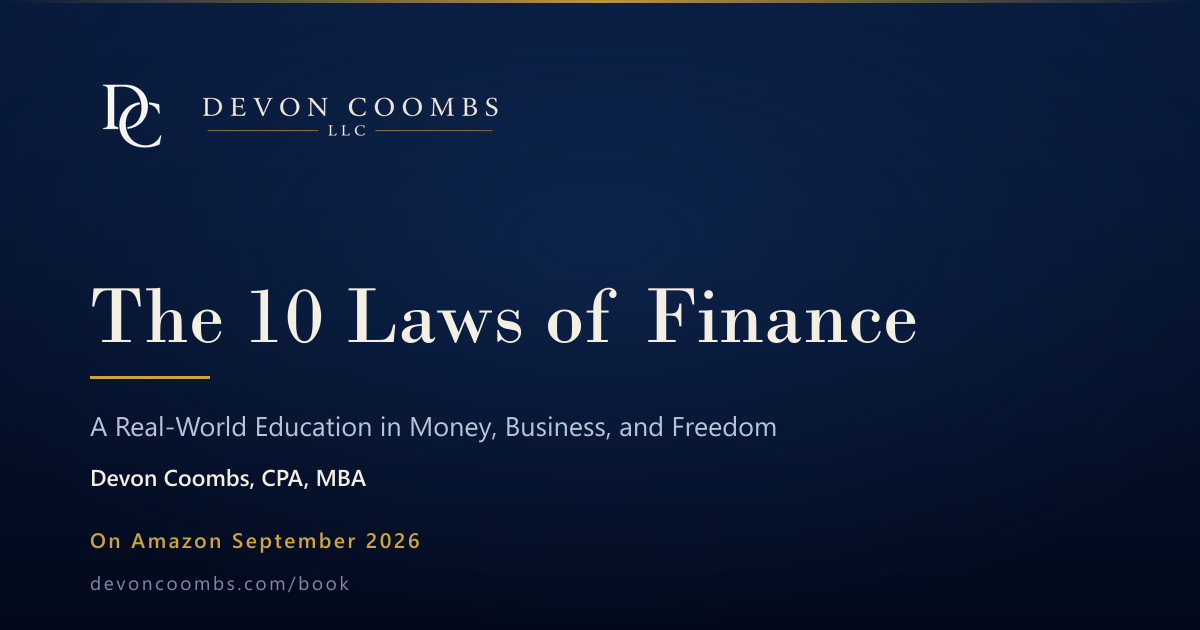
That journey became the foundation for The 10 Laws of Finance.
Topics include
- What actually changed his economic trajectory
- The financial decisions that mattered more than stock picking
- Career capital, income, savings, investing, and optionality
- How scarcity changes your relationship with money
- Why financial success and financial security are not the same thing
- The principles he wishes he understood when he was living in his car
Sample questions
- 1.You were 21 and living in your car. What was the first financial decision that actually changed your trajectory?
- 2.Most personal finance advice is about picking stocks or a budgeting app. What mattered more for you?
- 3.You say financial success and financial security are not the same thing. What is the difference, and when did you first feel secure?
Best for: Personal finance, business, careers, entrepreneurship, human-interest interviews.
02
As business models become more complex, accounting judgment becomes more important, not less. AI, cloud computing, consumption pricing, marketplaces, partnerships, non-cash arrangements, and new monetization structures are creating increasingly complicated transactions.
The technology may be new. The financial statements still have to make sense. Drawing on his technical accounting and Marketplace controllership experience at Google Cloud, Devon can translate highly technical accounting issues into the underlying economics investors, executives, and finance teams actually care about.
Topics include
- ASC 606 and revenue recognition in technology
- Reciprocal and circular commercial arrangements
- Payments to customers and non-cash consideration
- Principal versus agent and marketplace accounting
- Consumption and usage-based business models
- Contract modifications and complex deal structures
- How accounting judgments affect reported growth and market perception
- Why AI increases rather than eliminates the need for strong technical accountants
Sample questions
- 1.Why does accounting judgment become more important as business models get more complex, not less?
- 2.Walk us through a deal that looks simple to the customer but is genuinely hard to account for.
- 3.How can a single accounting judgment change the growth story a company tells investors?
Best for: Financial news, CFO audiences, accounting media, investors, technology media.
03
Building great technology is not enough. Companies have to figure out how to sell it. Devon spent part of his Google Cloud career in Deals Desk, working at the intersection of sales, finance, accounting, pricing, contracting, and commercial strategy.
That experience provides a practical lens into one of the most important questions facing AI companies today: how do you turn technological capability into a durable business model?
Topics include
- AI pricing and packaging
- Usage-based versus subscription models
- Deals Desk as a strategic function
- Designing complex commercial agreements
- Monetization versus adoption
- Cloud marketplaces and partner economics
- Contract structure and revenue implications
- Unit economics and customer behavior
- Where AI business models appear sustainable
- How finance, sales, legal, product, and accounting should work together
Sample questions
- 1.What does a Deals Desk actually do, and why should an AI company have one?
- 2.Usage-based or subscription: how should an AI company decide how to charge?
- 3.Where do you see AI business models that look sustainable, and where do you see ones that do not?
Best for: AI, SaaS, technology, venture capital, founders, CFOs, business strategy.
04
The question is no longer whether finance will use AI. It is where AI actually creates value. Devon works with finance organizations on practical AI adoption across accounting, research, contract analysis, workflow automation, decision support, and financial analysis.
His focus is not AI demonstrations. It is measurable improvement in how finance work gets done.
Topics include
- Where AI is already delivering ROI inside finance
- What accounting and finance teams should automate first
- AI for contract review and technical accounting research
- Building finance workflows around large language models
- Human review, governance, controls, and hallucination risk
- Why some enterprise AI initiatives stall
- How AI changes the finance talent model
- Which finance skills become more valuable as routine work becomes automated
Sample questions
- 1.Where is AI already paying for itself inside finance teams, and where is it still a demo?
- 2.What should an accounting team automate first, and what should it never automate?
- 3.How does AI change who a finance team needs to hire?
Best for: AI, finance, CFO, accounting, enterprise technology, future of work.
05
Students learn how to calculate a discounted cash flow before many learn how to evaluate the biggest financial decisions of their own lives.
After years practicing finance, Devon moved into the classroom. His teaching connects traditional corporate finance with the decisions students will actually face: compensation, taxes, investing, housing, careers, credit, entrepreneurship, negotiation, financial statements, and financial independence.
Topics include
- What every student should understand before graduating
- Why personal finance should go beyond budgeting
- Career decisions as financial decisions
- Teaching corporate finance through real-world problems
- The financial mistakes highly educated people still make
- What industry experience changes about finance education
- How AI should change what universities teach
- Preparing students for jobs that will look different five years from now
Sample questions
- 1.What should every student understand about money before they graduate?
- 2.What financial mistakes do highly educated people still make?
- 3.How should AI change what universities teach in finance?
Best for: Higher education, Gen Z, personal finance, careers, universities, future of work.
06
Devon experienced homelessness in his early twenties before rebuilding through work, community college, university education, and a career in finance. His experience gives him an unusual perspective on the difference between having money and feeling financially safe.
His story is one path through homelessness, not a universal explanation for homelessness.
Topics include
- What helped him move out of homelessness
- Community college and economic mobility
- What instability does to financial decision-making
- The long-term psychology of scarcity
- Why earning more does not immediately create a feeling of security
- What financial literacy can and cannot solve
- The role of education, income, opportunity, mentorship, and luck
- What his experience does and does not tell us about homelessness more broadly
Sample questions
- 1.What actually helped you move out of homelessness?
- 2.Why does earning more not immediately make someone feel financially safe?
- 3.What does your story tell us about homelessness more broadly, and what does it not?
Best for: Human-interest journalism, homelessness, economic mobility, education, personal finance.